doing justice.
/“Whatever happens to you belongs to you. Make it yours. Feed it to yourself even if it feels impossible to swallow. Let it nurture you, because it will.”
-Cheryl Strayed
I sat in the dark on the hardwood floor. I stared at my bright computer screen, at the blank page, at the blinking cursor, willing something—anything—to come out of me. Willing the words to reveal themselves—finally. I had so many thoughts. So many jumbled and confusing and clear and real thoughts about what four months had done to my soul, my present, and my future. I sat for a long time. Long enough for the tea to get cold. Long enough for the heater to turn off for the night. Long enough to know that no matter how long I sat and stared, nothing would come.
That was a year ago.
I made it my mission to write something on the two-year anniversary of leaving India. I reasoned that if I wasn't going to get something out now, I probably never would. I told multiple people about this goal, often unprompted, as a way to keep myself accountable. I’d offhandedly tell someone and they’d reply, “Wow! That’s great!” or “I look forward to reading that!” or “I’m sure you have a lot to say about that experience.” I talked about my unwritten prose like I already had a story outlined in my head with a beginning and end and a meaningful take-home message. Like I knew exactly the words that needed to be released into the world. Like I knew that those words would resonate with every person who had ever traveled abroad.
It was pretty ambitious. And it was also a big, fat lie.
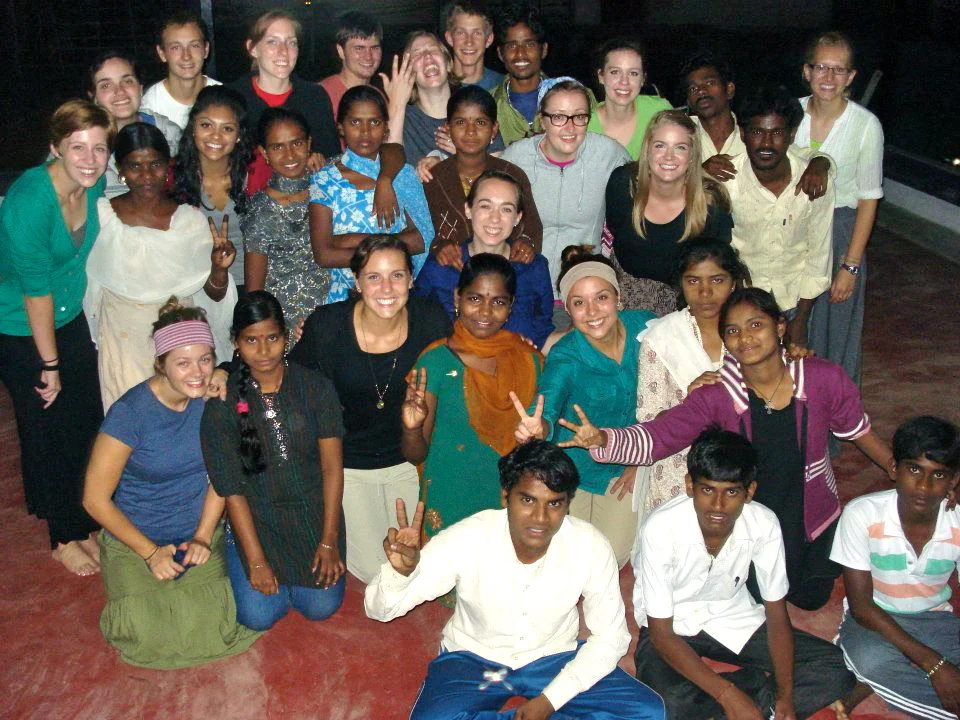
Because I’ve spent the last two years having no idea what to say about India. People ask—with a little less frequency now—about my time there and I still come up blank. How do I describe an experience that was simultaneously life-giving and shitty? How do I explain to someone that the entire four months was a series of uncomfortable situations—being stared at by everyone I encountered, adjusting my digestive tract to new foods, getting lost in autorickshaws, walking through and bumping into people on crowded streets, experiencing privilege every single moment I was in public, contracting MRSA from a spider bite, coming to terms with my role in an imperialistic society—but that I also felt so comfortable and at home there? How do I respond to, “How was India?” in a way that doesn’t make people squirm because I want to talk about the time hundreds of ants invaded my dorm room, or doesn’t make people glance at their phones because I want to walk them through what it was like to walk through a wig factory, or doesn’t make them defensive as I speak the hard truths that I discovered about yourself and the United States and the world. So, instead, I just mumble, “It was awesome,” and change the subject.
I would rather not talk about India at all than to talk about it imperfectly. And I would rather not write about India at all than to write about it imperfectly.
I’ve waited for the right words to say—the words that would do justice to my experience. I wanted to craft something beautiful and inspiring and reflective. I wanted to write the truest truth I could pull from those months and lace them with imagery of the buildings and people and landscape and feelings and triumphs and battles. I wanted to create a piece where everyone would deem that my words about India had value and, therefore, that my time in India had value. I wanted the jumbled and confusing and clear and real thoughts to transform themselves into a nice, 1,000-word-maximum box that I could keep with me and unpack whenever “How was India?” came up in conversation.
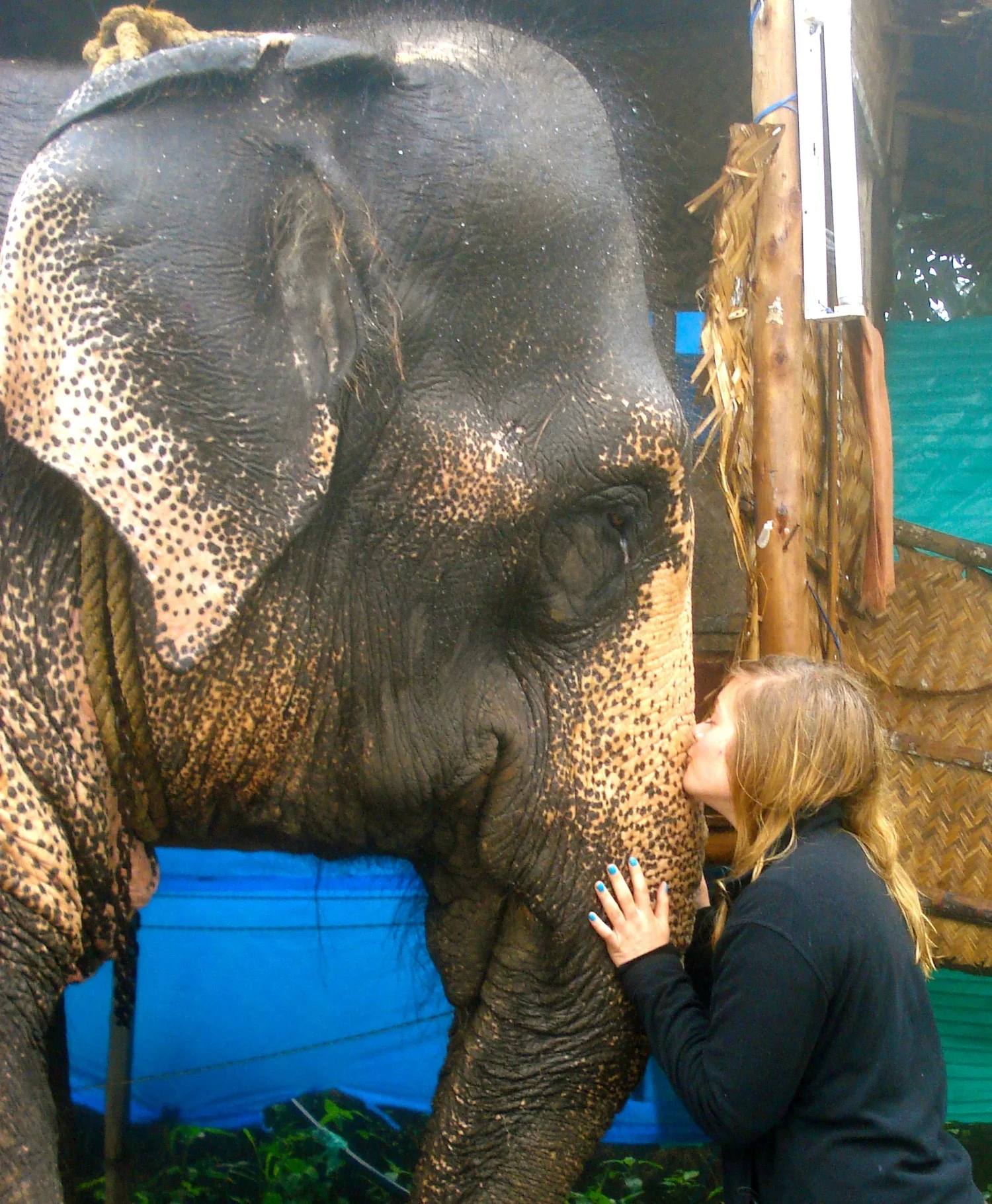
But that is not what this writing is, and it is not what my future answers to that question will be, because that is not what India was or is to me. It wasn't neat and tidy and well-worded. I spent two years trying to put it in that constricting box, and it wouldn’t fit. It never will fit, because India was messy. Messy as in one weekend I spent almost fourteen hours picking lice out of another classmate’s hair. Messy as in when I visited the abandoned Union Carbide factory in Bhopal and realized how easy it is for the world to forget about a corner of itself and its people that continue to be devastated by a disaster that occurred so many years ago. India was full of questions. Questions like “How is it possible that I just got tangled up in and ripped my mosquito net as I noisily fell out of my almost-on-the-ground bed in the middle of the night?” and “Why do I care about environmental/racial/gender/social/economic justice?” But most of all, India was real. Sometimes that looked like escaping to a Westernized coffee shop to write a paper because I needed some familiarity, even in the form of my American consumerism. Sometimes that looked like teaching a group of eight-year-old girls games like “Double Double This This, Double Double That That” and playing them over and over and over because I couldn’t tear myself away from the giggles they released each time.
India is the heart-filling and heart-wrenching, the big and little, the good and bad life-y moments that filled each day I spent there. And not one of those stories will fit into a box.
I will never find the right phrases or adjectives or imagery or box to make people see what I saw or feel what I felt or hear what I heard (or what I didn't hear) in a way that makes sense to them. These words—or any future words—on this page or any future pages will never do my India justice. They’ll never quite cut it or live up to my expectations for how I want to share it with the world. I’ll probably look back on this piece and wish I had added a sentence about visiting the Buddhist temple or throwing up on an overnight train or having late-into-the-night conversations with my mentor, Roshen. But that is the fear I have to get over.
I went to see the premiere of Wild this week, the movie based off of Cheryl Strayed’s memoir of the same title. The story outlines Cheryl’s twenty-something self leaving her Midwestern life behind to hike the Pacific Crest Trail by herself. If you haven’t read it, you should. It’s incredible writing that shines a light on such deep and raw emotions that resonate with humans of any age. But, if you don’t want to read it, the movie actually does the book justice. And that realization—that even though I worshipped and underlined and would always choose the book, I actually liked the movie remake just as much—moved something in me.
When Cheryl watched her movie for the first time, she could have focused on everything that wasn’t included; the parts of her book and experience that are so tied to her as a human, but just weren’t there because they couldn’t squeeze everything from a three-month-long hike into a two-hour-long movie. And maybe she would have put a stop to the movie because it didn’t live up to her expectations. Heck, I’m sure when Cheryl finished writing Wild, she could have mourned the parts of her story that she couldn’t fit in, because even she couldn’t squeeze a three-month-long hike into a 315-page book. And maybe she wouldn’t have written the book because it didn’t do her experience justice.
But she did. (Thank goodness.) The movie was produced and the book was written and maybe it was imperfect, but I’ll never know it. I read and watched and was honored to be let into even just that small fraction of her experience on the Pacific Crest Trail. It was beautiful and inspiring and reflective. And it was truth. Her truth. And that made me want to write my truth about India, and write something—anything—about being there, and now not being there. And it made me realize that if I am writing truth, without worrying about writing the right thing or cramming my thoughts into that box again, that it will be enough. I will do India justice.
So I sat down again, a year later, on the eve of my two-year anniversary of leaving India, and stared at my bright computer screen, at the blank page, at the blinking cursor. I didn’t stay still for long. Because I can either write about India imperfectly, or not write about it at all. I can either talk about India imperfectly, or not talk about it at all. I will always leave something out, always forget an important detail, and always worry about what I don’t get the chance to say. But I can say something. I can write something. I can share mostly unedited, stream-of-consciousness thoughts about an experience that shaped my soul and gives a behind-the-scenes peek into who I am as a human. It won’t be neat or tidy or well-worded, but it will be mine. It will be my truth. And that is a truth that I can no longer keep inside me for fear of it being imperfect.
That is doing India justice.